

Coronary Artery Bypass Graft Market Size, Share, and Trends 2026 to 2035
 Status Published
 Category Healthcare


Content
Coronary Artery Bypass Graft Market Size and Growth 2026 to 2035
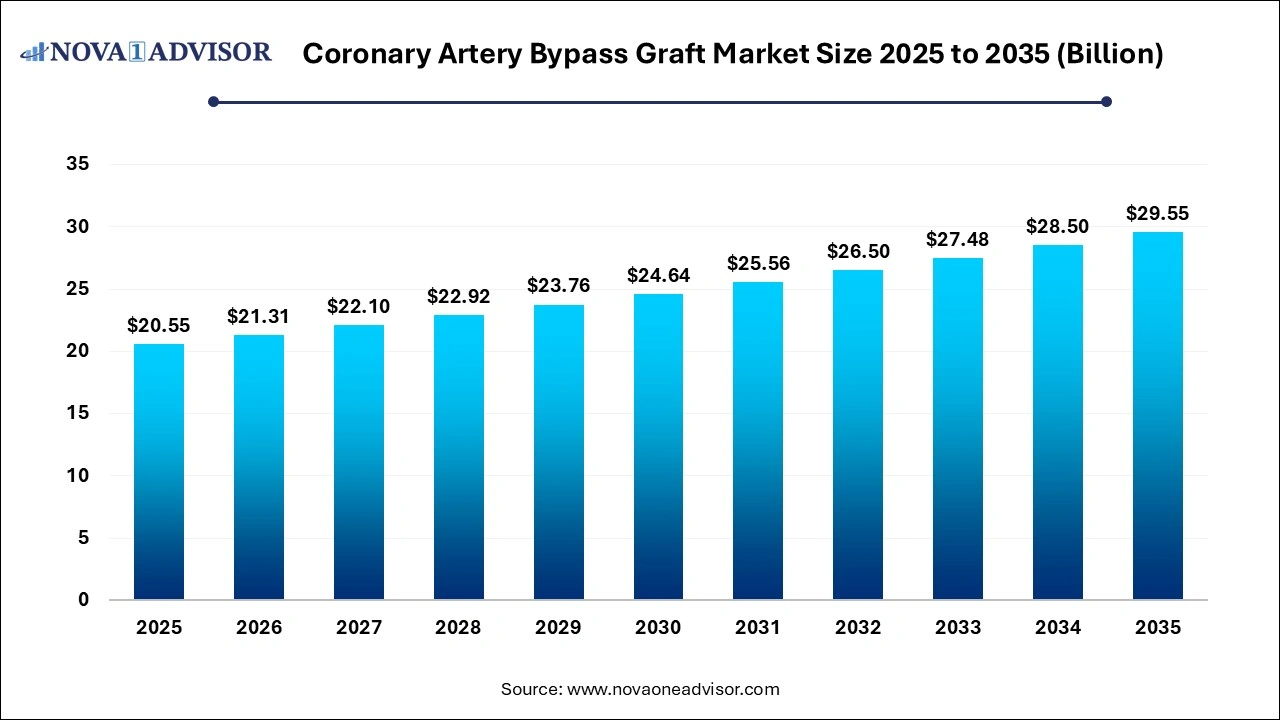
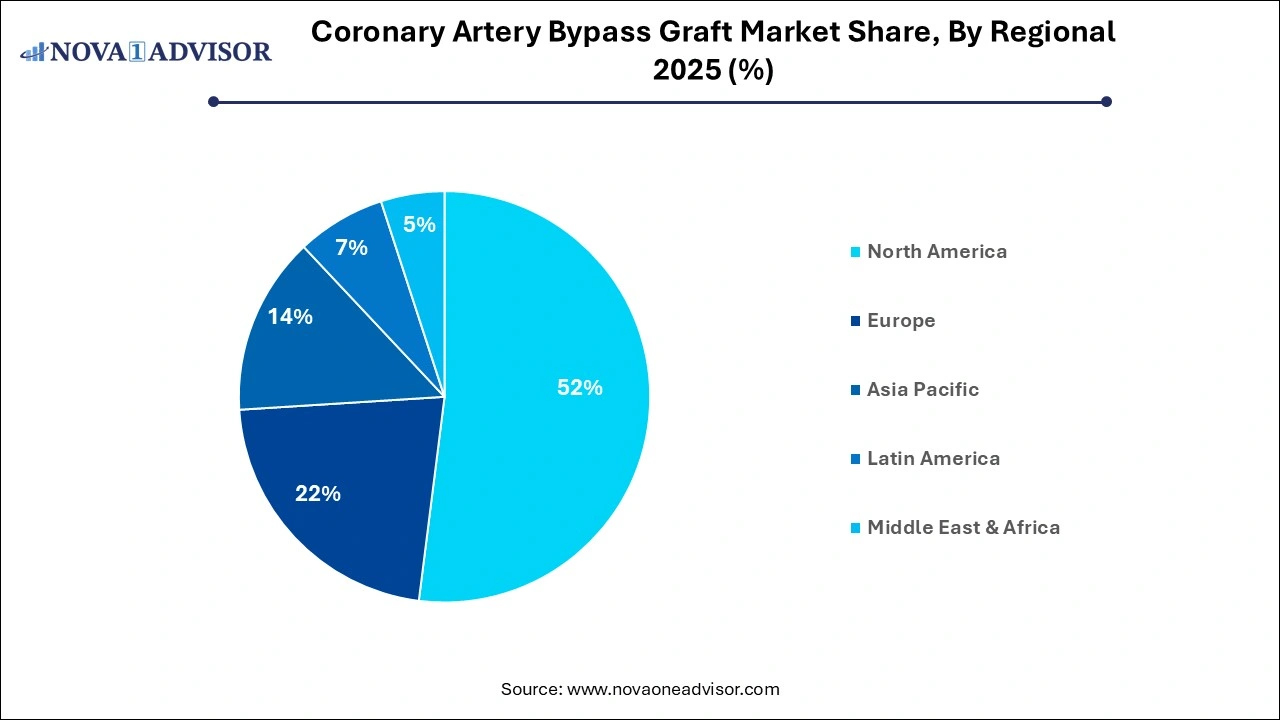
The global coronary artery bypass graft market size was valued at USD 20.55 billion in 2025 and is projected to grow from USD 21.31 billion in 2026 to USD 29.55 billion by 2035, at a CAGR of 3.7% from 2026 to 2035. North America dominated the market, accounting for a revenue share of 52.0% in 2025.
Key Takeaway
- By method, the on-pump segment dominated the market with the largest share in 2025.
- By method, the off-pump segment is expected to grow at the fastest CAGR over the forecast period.
- By surgical procedure, the triple CABG surgery segment dominated the market with the largest share in 2025.
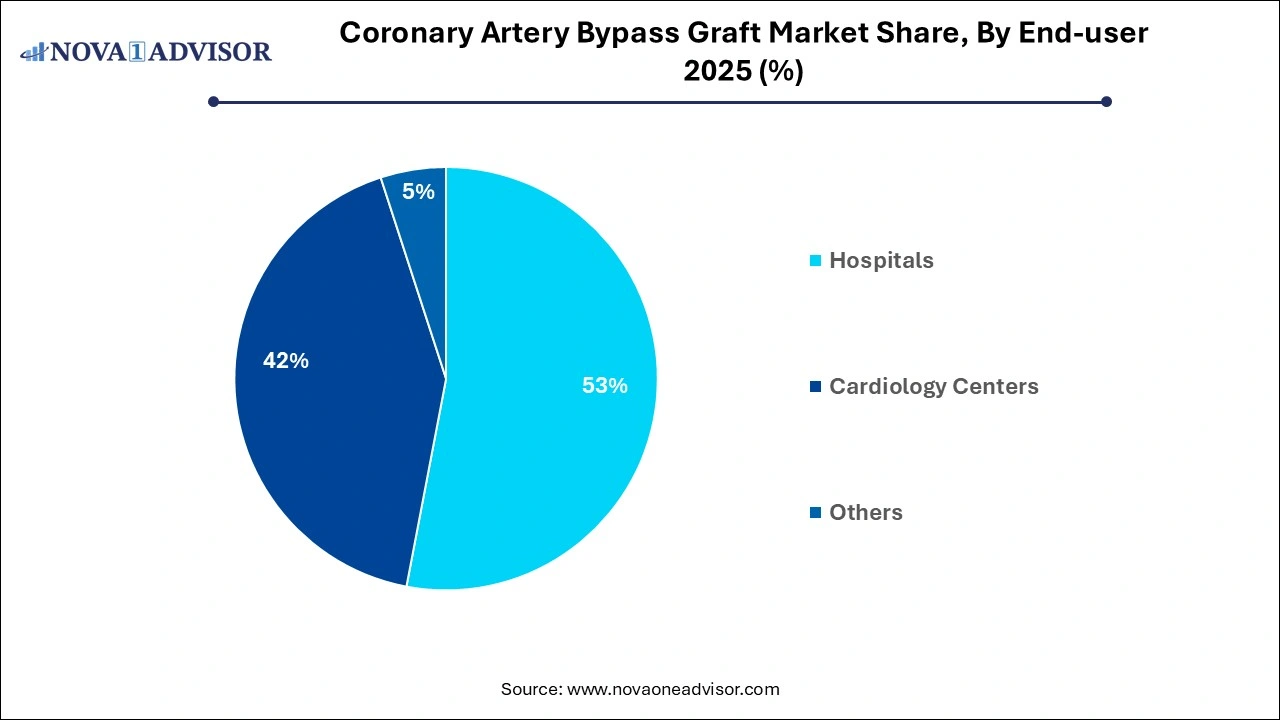
- By end use, the hospital segment dominated the market with the largest share 0f 53.0% in 2025.
- By region, North America dominated the market with the largest share of 52.0% in 2025.
Market Overview
The global coronary artery bypass graft (CABG) market is experiencing steady growth, driven by the increasing prevalence of coronary artery disease (CAD), rising cardiovascular risk factors, and continuous advancements in cardiac surgery technologies. CABG remains the preferred treatment for patients with complex multivessel disease, left main coronary artery disease, and diabetes-related cardiovascular complications, offering superior long-term outcomes compared to other revascularization procedures in appropriate patient populations.
Growing incidences of obesity, hypertension, diabetes, smoking, and sedentary lifestyles, combined with an aging global population, are significantly increasing the demand for CABG procedures. Healthcare providers are expanding specialized cardiac surgery centers and investing in advanced operating rooms, imaging technologies, and hybrid surgical suites to improve patient care and surgical outcomes.
Technological innovations—including robotic-assisted surgery, advanced cardiopulmonary bypass systems, improved graft harvesting devices, intraoperative imaging, and minimally invasive direct coronary artery bypass (MIDCAB) techniques—are enhancing surgical precision, reducing complications, and shortening recovery times. Additionally, digital healthcare integration through electronic health records, remote patient monitoring, and advanced diagnostic imaging supports better surgical planning and long-term postoperative management.
Emerging economies are also contributing to market expansion through increased healthcare investments, improved access to cardiac care, expanding health insurance coverage, and the development of specialized cardiovascular centers. As innovation continues to advance and the global burden of cardiovascular disease rises, the coronary artery bypass graft market is expected to witness sustained growth, supported by minimally invasive surgical techniques, digital healthcare solutions, and continuous improvements in cardiac surgery technologies.
Market Outlook
- Market Growth Overview: The global coronary artery bypass graft market is expected to grow significantly between 2025 and 2035, driven by the growing incidence of cardiovascular disease across the globe.
- Sustainability Trends: Sustainability trends involve an ongoing transition towards minimizing the environmental footprint of cardiac surgery and a surge in emphasis on long-term patient outcomes.
- Major Investors: Major investors in the market include Medtronic, Terumo Corporation, Getinge AB, Edwards Lifesciences, and LivaNova.
How is AI Impacting The Global Coronary Artery Bypass Graft Market?
Artificial intelligence (AI) is revolutionizing the market by enhancing pre-operative risk stratification, improving minimally invasive and robotic surgical precision through computer vision, and forecasting post-operative complications. Furthermore, machine learning models analyze clinical notes and patient records to forecast surgical morbidity and perioperative risks, showcasing superior predictive accuracy compared to conventional scoring methodologies.
AI also supports personalized surgical planning by integrating patient demographics, medical history, imaging findings, laboratory results, and clinical risk factors to predict surgical outcomes, potential complications, and long-term graft performance. These predictive insights enable multidisciplinary heart teams to optimize treatment plans and improve resource utilization.
During surgery, AI-assisted robotic platforms enhance instrument precision, improve visualization of coronary vessels, and reduce hand tremors, supporting minimally invasive bypass procedures with greater accuracy. AI-powered predictive analytics further improves postoperative care by identifying patients at higher risk of complications such as atrial fibrillation, wound infections, graft failure, or prolonged hospital stays, allowing earlier clinical intervention and better recovery outcomes.
In addition, AI streamlines clinical workflows through automated documentation, electronic health record integration, and intelligent data management. AI-enabled wearable devices and remote monitoring platforms continuously track vital signs, heart rhythm, and recovery progress after surgery, enabling healthcare providers to detect complications early and reduce hospital readmissions. As AI continues to evolve, its integration with robotic surgery, digital twins, and precision cardiovascular medicine is expected to deliver safer, more personalized, and highly efficient CABG procedures worldwide.
Coronary Artery Bypass Graft Market Report Scope
| Report Coverage | Details |
| Market Size in 2026 | USD 21.31 Billion |
| Market Size by 2035 | USD 29.55 Billion |
| Growth Rate From 2026 to 2035 | CAGR of 3.07% |
| Base Year | 2025 |
| Forecast Period | 2026 to 2035 |
| Segments Covered | Method, Surgical Procedure, End use, Region |
| Market Analysis (Terms Used) | Value (USD Million/Billion) or (Volume/Units) |
| Regional Scope | North America; Europe; Asia Pacific; Central and South America; the Middle East and Africa |
| Key Companies Profiled | Medtronic; Terumo Corporation; Getinge AB; W. L. Gore & Associates, Inc.; B. Braun SE; Abbott.; LivaNova plc; Transonic.; Edwards Lifesciences; Vascular Graft Solutions |
Market Driver
Rising Prevalence of Coronary Artery Disease Drives Market Growth
The increasing global incidence of coronary artery disease (CAD) is the primary driver of the coronary artery bypass graft (CABG) market. Aging populations, sedentary lifestyles, obesity, diabetes, hypertension, smoking, and unhealthy dietary habits have significantly increased the number of patients requiring advanced cardiovascular treatment. CABG remains the preferred treatment for patients with complex multivessel disease and left main coronary artery disease, offering improved long-term survival, fewer repeat procedures, and better quality of life. Growing investments in specialized cardiac centers, hybrid operating rooms, and advanced surgical technologies are further supporting market growth.
Market Restraint
High Procedure Costs and Surgical Complexity Limit Market Expansion
The high cost and complexity of CABG procedures remain key restraints for market growth. Bypass surgery requires specialized cardiac surgeons, advanced operating facilities, intensive postoperative care, and prolonged hospitalization, resulting in significant treatment expenses. Surgical risks such as infection, bleeding, stroke, atrial fibrillation, and longer recovery periods may also encourage the use of less invasive alternatives like percutaneous coronary intervention (PCI) in suitable patients. In addition, shortages of skilled cardiac professionals and limited reimbursement coverage in several developing countries continue to restrict broader access to CABG procedures.
Market Opportunity
Growing Adoption of Robotic and Minimally Invasive Cardiac Surgery Creates Strong Growth Opportunities
The increasing adoption of robotic-assisted and minimally invasive coronary artery bypass procedures presents a significant opportunity for market expansion. Techniques such as Minimally Invasive Direct Coronary Artery Bypass (MIDCAB) offer benefits including smaller incisions, reduced postoperative pain, lower infection risk, shorter hospital stays, and faster recovery. At the same time, advances in robotic surgical systems, AI-assisted surgical planning, intelligent navigation technologies, and high-definition visualization are improving surgical precision and clinical outcomes. As healthcare providers continue investing in advanced cardiac surgery programs and surgeon training, demand for innovative minimally invasive CABG technologies is expected to grow steadily worldwide.
Segmental Insights
By Method
Why did the on-pump segment dominate the global coronary artery bypass graft market?
The on-pump segment dominated the market with the largest share in 2025. The dominance of the segment can be attributed to the ongoing innovations in perfusion systems and the hybrid approach towards minimally invasive procedures. In addition, on-pump coronary artery bypass grafting establishes a completely motionless and bloodless surgical field, reinforcing its status as the standard of care and the preferred option for triple-vessel and complex coronary revascularization procedures.
How did the off-pump segment expected to hold the significantly growing global coronary artery bypass graft market in the coming years?
The off-pump segment is expected to grow at the fastest CAGR over the forecast period. The growth of the segment can be credited to the growing transition towards robotic and minimally invasive techniques. High-precision mechanical tissue stabilizers and cardiac positioners optimize the effective immobilization of target coronary arteries during surgical procedures.
By Surgical Procedure
Why did the triple CABG surgery segment dominate the global coronary artery bypass graft market?
The triple CABG surgery segment dominated the market with the largest share in 2025. The dominance of the segment can be linked to the increasing multi-vessel coronary artery disease prevalence and surge in the geriatric population across the globe. Health policies and bundled payment frameworks increasingly incentivize comprehensive initial revascularization strategies to reduce the incidence of expensive hospital readmissions.
How did the single CABG surgery segment expected to hold the significantly growing global coronary artery bypass graft market in the coming years?
The single CABG surgery segment is expected to grow at the fastest CAGR over the forecast period. The growth of the segment can be driven by the growing incidence of single-vessel coronary artery disease along with shorter recovery times as compared to other procedures. Patients frequently choose single coronary artery bypass grafting (CABG) procedures due to associated clinical benefits, including minimized surgical trauma and rapid hospital discharges.
By End Use
Why did the hospital segment dominate the global coronary artery bypass graft market?
The hospital segment dominated the market with the largest share in 2025. The dominance of the segment is owing to the growing demand for innovative surgical infrastructure and the growing demand for complex procedures. Furthermore, prominent healthcare institutions consistently succeed in recruiting and retaining scarce, highly specialized cardiothoracic surgeons and perfusionists.
How did the cardiology centers segment expected to hold the significantly growing global coronary artery bypass graft market in the coming years?
The cardiology centers segment is expected to grow at the fastest CAGR over the forecast period. The growth of the segment is due to growing adoption of robotic-assisted surgeries and a transition towards less invasive interventions. These centers integrate specialized cardiovascular surgical teams, state-of-the-art hybrid operating suites, and dedicated post-operative care units into a single comprehensive facility.
By Regional
Why did the North American region account for the largest share in the global coronary artery bypass graft market?
North America dominated the market with the largest share in 2025. The dominance of the region can be attributed to the presence of well-established healthcare systems and a surge in healthcare spending in major countries. In addition, the rapid integration of robotic-assisted surgery, off-pump procedures, and minimally invasive direct coronary artery bypass grafting significantly reduces patient recovery times.
U.S. Global Coronary Artery Bypass Graft Market Trends
The growth of the market in the country can be driven by the increasing incidence of heart disease and robust healthcare coverage. Also, substantial capital expenditure in hybrid robotic-assisted instrumentation facilitates reduced incision sizing, shortens inpatient duration, and propels postoperative recovery times.
Why did the Asia-Pacific region become the fastest-growing global coronary artery bypass graft market during the forecast period?
Asia Pacific is expected to grow at the fastest CAGR over the forecast period. The growth of the region can be credited to the increasing burden of cardiac diseases, growing healthcare infrastructure, and surge in medical tourism due to affordable treatment costs. Furthermore, the presence of enhanced medical facilities, specialized cardiovascular treatment centers, and expanded public health insurance frameworks across developing nations can fuel regional growth soon.
China Global Coronary Artery Bypass Graft Market Trends
The market in the country is growing due to increasing rates of cardiovascular disease, a surge in healthcare spending, and a growing elderly population in major cities. Enhanced statutory health frameworks and rising disposable incomes have broadened financial access to advanced surgical interventions across wider demographics in China.
Key Players in the Global Coronary Artery Bypass Graft Market
- Medtronic: It offers extensive cardiac surgery technologies, perfusion systems, and stabilization devices for CABG procedures.
- Terumo Corporation: It provides advanced cardiovascular surgery equipment, including oxygenators and tubing circuits.
- Edwards Lifesciences: It focuses heavily on structural heart disease, surgical tissue heart valves, and repair products.
Recent Developments
- In November 2025, Integra LifeSciences has secured U.S. FDA 510(k) clearance for the CUSA Clarity Ultrasonic Surgical Aspirator System, authorizing its use in cardiac tissue debridement for valve replacement and repair. The system enables precise soft tissue management, with expanded approval for specialized cardiac applications along with existing neurosurgical and orthopedic uses.
Segments Covered in the Report
This report forecasts revenue growth at country levels and provides an analysis of the latest industry trends in each of the sub-segments from 2021 to 2035. For this study, Nova one advisor, Inc. has coronary artery bypass graft market.
By Method
- Off-pump
- On-pump
- Minimally Invasive Direct CABG (MIDCAB)
By Surgical Procedure
- Single CABG Surgery
- Double CABG Surgery
- Triple CABG Surgery
- Quadruple CABG Surgery
By End Use
- Hospitals
- Cardiology Centers
- Others
By Region
- North America
- Europe
- Asia-Pacific
- Latin America
- Middle East & Africa (MEA)
FAQ's

Proceed to Buy
Instant PDF delivery on confirmation

Coronary Artery Bypass Graft Market Size to Hit USD 29.55 Billion by 2035
 Request Customization
 Download Sample

Get a Sample of this Report
Coronary Artery Bypass Graft Market