

Minimally-Invasive Cosmetic Procedures Market Size, Share, Forecast Report, 2026 - 2035
 Status Published
 Category Healthcare


Content
Minimally-Invasive Cosmetic Procedures Market Size and Growth 2026 to 2035
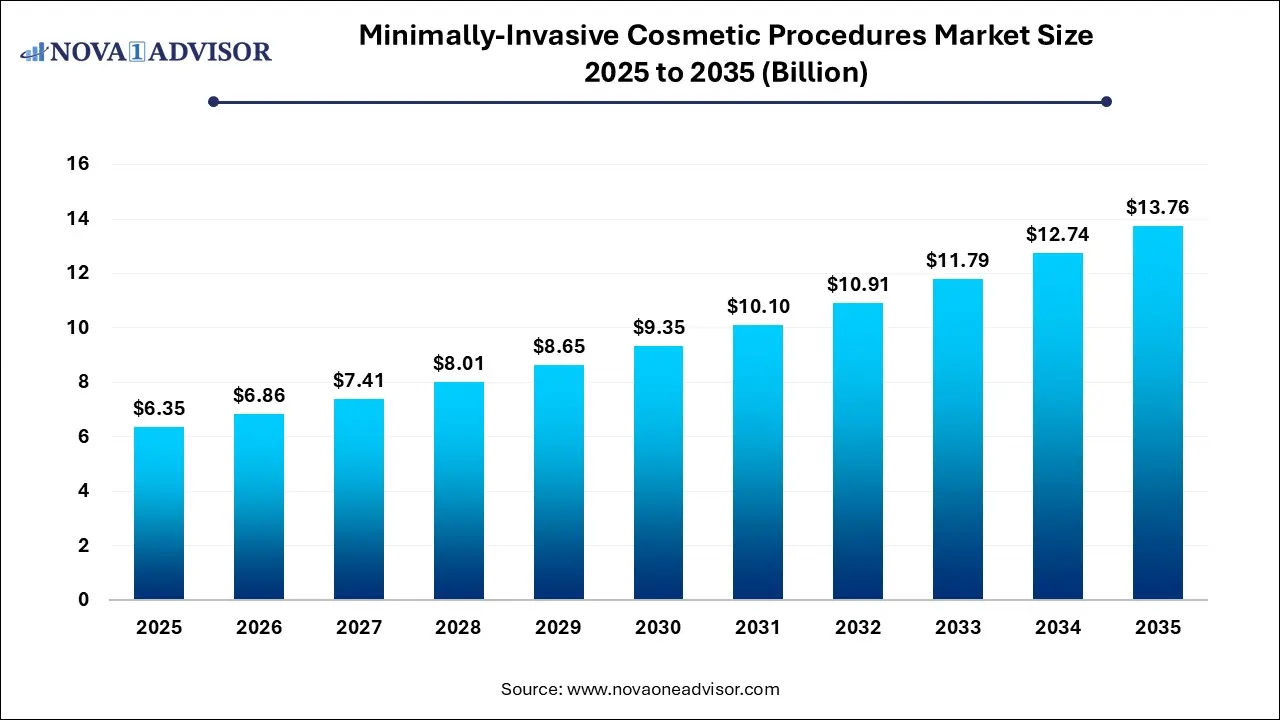
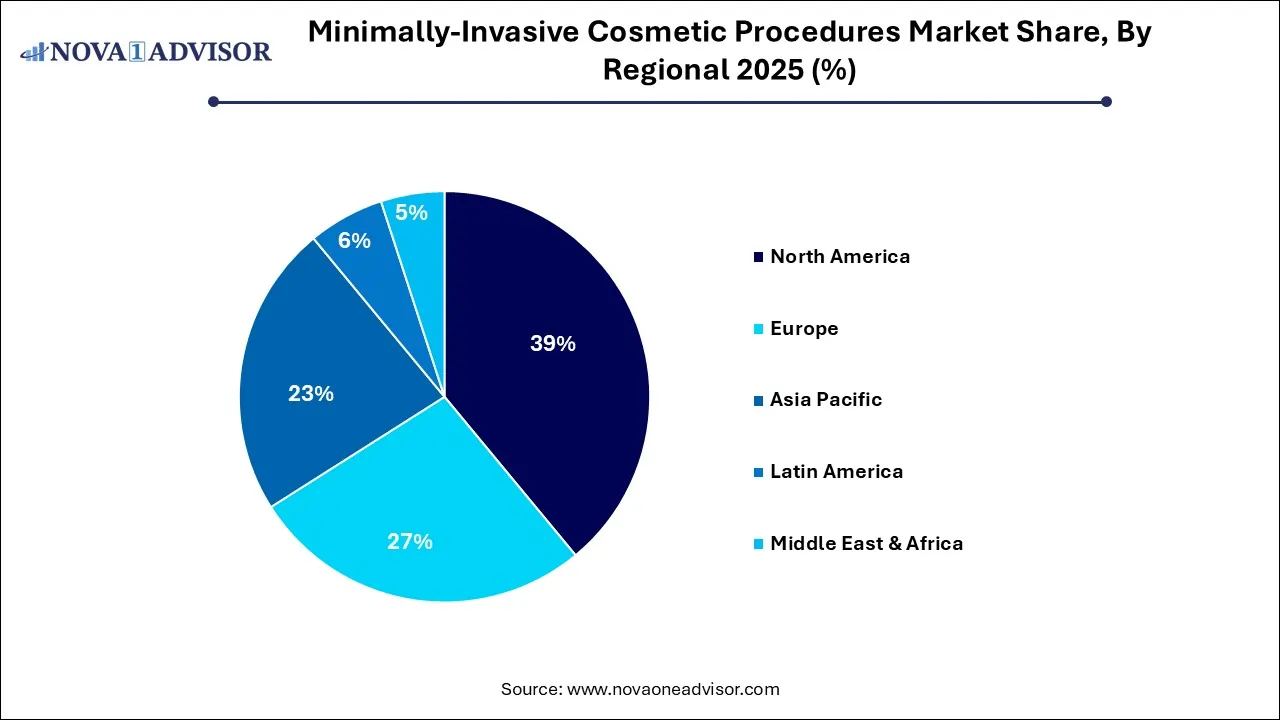
The global minimally-invasive cosmetic procedures market size was valued at USD 6.35 billion in 2025 and is projected to grow from USD 6.86 billion in 2026 to USD 13.76 billion by 2035, at a CAGR of 8.4% from 2026 to 2035. North America dominated the market, accounting for a revenue share of 39.0% in 2025.
Key Takeaway:
- By products, the botulinum toxins segment dominated the market with the largest share in 2025.
- By products, the hair removal laser segment is expected to grow at the fastest CAGR over the forecast period.
- By procedures, the botulinum toxins segment dominated the market with the largest share in 2025.
- By application, the acne segment dominated the market with the largest share in 2025.
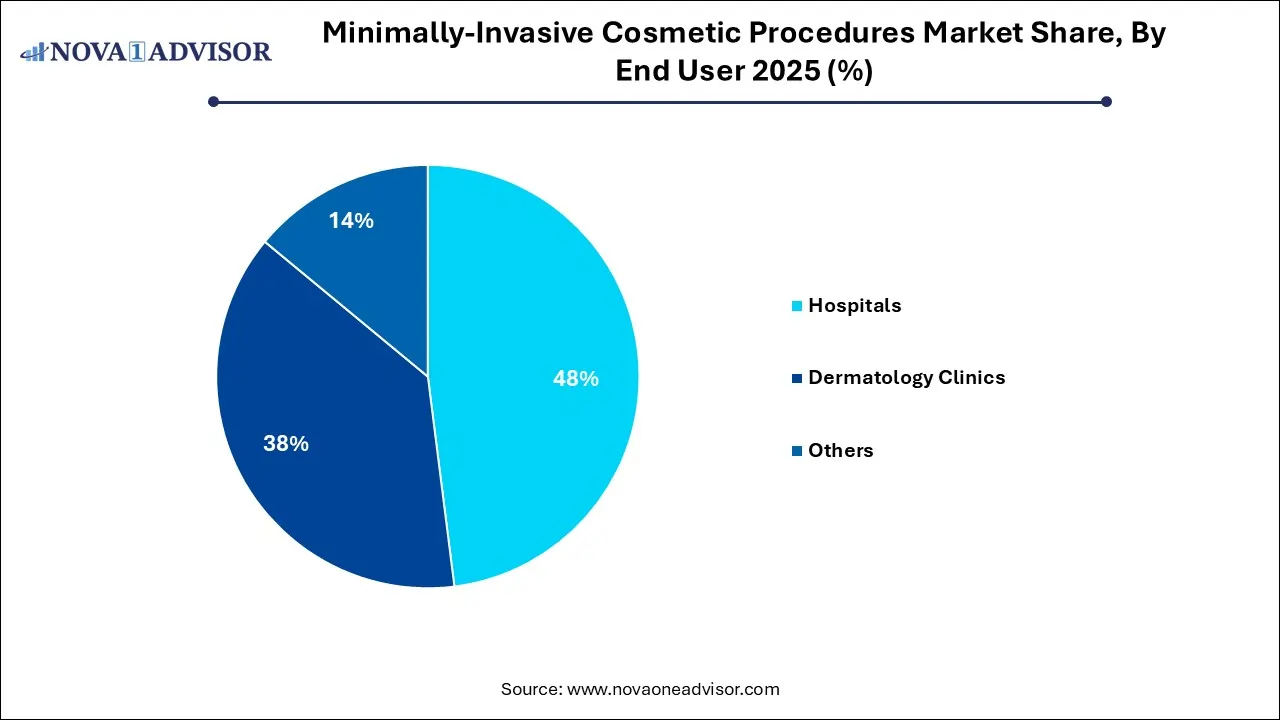
- By end user, the hospitals segment dominated the market with the largest share of 48.0% in 2025.
- By region, North America dominated the market with the largest share of 39.0% in 2025.
Market Overview
The global minimally-invasive cosmetic procedures market is experiencing strong growth, driven by increasing consumer preference for non-surgical aesthetic treatments that offer effective results with minimal downtime, reduced discomfort, and lower costs compared to traditional cosmetic surgery. Procedures such as botulinum toxin injections, dermal fillers, laser hair removal, chemical peels, and skin rejuvenation therapies have gained widespread popularity across diverse age groups.
Advancements in injectable products, laser technologies, radiofrequency devices, and regenerative aesthetic treatments have improved procedure safety, precision, and patient outcomes. Growing demand for natural-looking results, the rising trend of preventive aesthetics among younger adults, and increasing male participation are further expanding the market. Additionally, the growth of medical tourism, expanding availability of specialized aesthetic clinics, and continuous technological innovation are expected to support sustained growth in the global minimally-invasive cosmetic procedures market.
Market Outlook
- Market Growth Overview: The global minimally-invasive cosmetic procedures market is expected to grow significantly between 2025 and 2035, driven by the growing focus on aesthetic appeal and changing consumer preferences.
- Sustainability Trends: Sustainability trends involve minimizing clinical waste and using energy-efficient technologies.
- Major Investors: Major investors in the market include InMode, Lumenis, Cynosure, Alma Lasers, and BTL Aesthetics.
How is AI impacting the global minimally-invasive cosmetic procedures market?
Artificial intelligence (AI) is revolutionizing the market by growing procedural precision, fueling hyper-personalization, and enhancing overall operational efficiency. Furthermore, AI-driven chatbots and digital assistants optimize patient scheduling, lead nurturing, and postoperative follow-up. Also, platforms that optimize automated treatment planning significantly reduce procedure times and increase clinical utilization.
AI also improves procedural precision through intelligent injection mapping and AI-integrated laser systems that automatically optimize treatment settings according to skin type and tissue response. Three-dimensional facial imaging and AI-based treatment simulations help patients visualize expected results, improving consultation quality and patient satisfaction. Additionally, AI streamlines clinic operations by automating scheduling, documentation, and follow-up while supporting remote monitoring through smartphone-based image analysis. As AI adoption continues to grow, it is expected to make minimally-invasive cosmetic procedures more personalized, efficient, and outcome-driven, driving innovation across the global market.
Minimally-Invasive Cosmetic Procedures Market Report Scope
| Report Coverage | Details |
| Market Size in 2026 | USD 6.86 Billion |
| Market Size by 2035 | USD 13.76 Billion |
| Growth Rate From 2026 to 2035 | CAGR of 8.4% |
| Base Year | 2025 |
| Forecast Period | 2026 to 2035 |
| Segments Covered | By End User, By Products, By Procedures, By Application, By Region |
| Market Analysis (Terms Used) | Value (USD Million/Billion) or (Volume/Units) |
| Regional Scope | Value (USD Million/Billion) or (Volume/Units) |
| Key Companies Profiled | Johnson & Johnson Services Inc. (U.S.), Procter & Gamble (U.S.), Koninklijke Philips N.V. (The Netherlands), Altair Instruments (U.S.), Silhouet-Tone (Canada), Advanced Microderm, Inc. (U.S.), Dermaglow (U.S.), New Shining Image LLC. (U.S.), Lasertec Medical Service (U.K), Delasco (U.S.), Cutera (U.S.), Allergan Plc (Republic of Ireland), Ipsen Group (France), and others. |
Market Driver
Growing Consumer Preference for Non-Surgical Aesthetic Enhancement
The increasing preference for non-surgical cosmetic treatments is a major driver of the minimally-invasive cosmetic procedures market. Consumers are choosing procedures such as botulinum toxin injections, dermal fillers, and laser therapies because they deliver effective aesthetic improvements with minimal downtime, reduced discomfort, and faster recovery. Rising awareness through social media, advancements in aesthetic technologies, and the growing availability of specialized cosmetic clinics are further accelerating market growth.
Market Restraint
High Procedure Costs and Limited Insurance Coverage
The high cost of minimally-invasive cosmetic procedures remains a key market restraint. Since most aesthetic treatments are elective, they are generally not covered by health insurance, requiring patients to pay out of pocket. In addition, many procedures require periodic maintenance sessions to sustain results, increasing long-term treatment costs. High investments in advanced equipment, physician training, and regulatory compliance also contribute to higher procedure pricing.
Market Opportunity
Expansion of Personalized Aesthetic Medicine Through Advanced Technologies
The growing adoption of personalized aesthetic medicine presents significant opportunities for market expansion. Innovations such as AI-assisted facial analysis, regenerative therapies, platelet-rich plasma (PRP), exosome-based treatments, collagen stimulators, and advanced skin imaging enable highly customized treatment plans tailored to individual patient needs. As demand for natural-looking, long-lasting cosmetic outcomes continues to rise, personalized treatment approaches are expected to drive innovation and create new growth opportunities for aesthetic clinics, medical spas, and device manufacturers.
Segmental Insights
By Products
Why did the botulinum toxins segment dominate the global minimally-invasive cosmetic procedures market?
The botulinum toxins segment dominated the market with the largest share in 2025. The dominance of the segment can be attributed to the increasing need for non-surgical anti-aging treatments. In addition, consumers strongly preferred minimally invasive procedures that eliminate hospitalization and permit an immediate return to daily activities.
How did the hair removal laser segment expected to hold the significantly growing global minimally-invasive cosmetic procedures market in the coming years?
The hair removal laser segment is expected to grow at the fastest CAGR over the forecast period. The growth of the segment can be credited to the technological innovations in speed and safety across diverse skin tones and increasing disposable incomes across the globe. Modern dermatological platforms, including diode and Nd:YAG laser systems, offer enhanced efficacy and much faster treatment times.
By Procedures
Why did the botulinum toxin segment dominate the global minimally-invasive cosmetic procedures market?
The botulinum toxin segment dominated the market with the largest share in 2025. The dominance of the segment can be linked to the growing need for rapid anti-aging fixes without surgery and the growth of medical applications such as treating migraines. Also, it is frequently indicated for the management of chronic migraines, hyperhidrosis (excessive sweating), and various muscle spasm disorders.
How did the soft tissue fillers segment expected to hold the significantly growing global minimally-invasive cosmetic procedures market in the coming years?
The soft tissue fillers segment is expected to grow at the fastest CAGR over the forecast period. The growth of the segment can be driven by increasing consumer inclination towards rapid cosmetic treatments and growing acceptance and accessibility of cosmetic procedures. Digital platforms such as Instagram and TikTok have fundamentally altered societal perceptions of beauty, leading to segment growth soon.
By Application
Why did the acne segment dominate the global minimally-invasive cosmetic procedures market?
The acne segment dominated the market with the largest share in 2025. The dominance of the segment is owing to the growing incidence of skin conditions such as acne, scars, etc., and the surge in beauty consciousness among youth. Moreover, treatments such as microneedling, chemical peels, and laser therapies offer fast and secure solutions for dermatological care.
How did the trauma scars segment expected to hold the significantly growing global minimally-invasive cosmetic procedures market in the coming years?
The trauma scars segment is expected to grow at the fastest CAGR over the study period. The growth of the segment is due to ongoing technological innovations in lasers and injectables coupled with the surge in aesthetic awareness. The proliferation of social networks and video conferencing has significantly heightened individual awareness regarding personal appearance, which directly impacts market expansion.
By End User
Why did the hospitals segment dominate the global minimally-invasive cosmetic procedures market?
The hospitals segment dominated the market with the largest share in 2025. The dominance of the segment can be attributed to the growing patient need for shorter recovery times and outpatient care along with the technological innovations. Hospitals are upgrading their medical technology to perform minimally invasive procedures, which allow for faster patient recovery and reduced scarring compared to traditional open surgeries.
How did the dermatology clinics segment expected to hold the significantly growing global minimally-invasive cosmetic procedures market in the coming years?
The dermatology clinics segment is expected to grow at the fastest CAGR over the projected period. The growth of the segment can be credited to the rapid technological innovations in lasers and injectables along with the aging population opting for preventive anti-aging alternatives. Recent advancements in radiofrequency (RF), ultrasound, and laser technologies provide dermatologists with highly precise, non-surgical modalities for wrinkle reduction, scar revision, and body contouring.
By Regional
Why did the North American region account for the largest share in the global minimally-invasive cosmetic procedures market?
North America dominated the market with the largest share in 2025. The dominance of the region can be attributed to the growing disposable incomes in major countries and the heavy impact of social media trends on beauty brands. In addition, the region features a highly sophisticated and robust healthcare infrastructure. Furthermore, the proliferation of medical spas and ambulatory surgical centers (ASCs) has significantly improved the accessibility of cosmetic treatments, offering patients greater privacy and convenience.
U.S. Global Minimally-Invasive Cosmetic Procedures Market Trends
The growth of the market in the country can be driven by growing demand for non-surgical treatments such as dermal fillers, Botox, and laser skin resurfacing. Additionally, the growing demographic of older adults in the United States has driven a significant increase in the demand for aesthetic anti-aging interventions, particularly treatments aimed at wrinkle reduction and skin rejuvenation.
Why did the Asia-Pacific region become the fastest-growing global minimally-invasive cosmetic procedures market during the forecast period?
Asia Pacific is expected to grow at the fastest CAGR over the forecast period. The growth of the region can be credited to the growing acceptance of aesthetic treatments and expanding middle-class population in emerging economies. Furthermore, the region serves as a prominent global hub for medical tourism. Notably, nations such as Thailand and South Korea, frequently recognized as the global capital for cosmetic surgery, provide world-class, premium aesthetic procedures at a significantly lower cost than their Western counterparts.
China Global Minimally-Invasive Cosmetic Procedures Market Trends
The market in the country is growing due to growing utilization of digital apps for consultation and a robust consumer preference for treatments with much less downtime. Consumers favor these procedures due to their efficiency, which allows for immediate resumption of professional activities. Major examples include botulinum toxin (Botox), hyaluronic acid dermal fillers, and laser skin tightening.
Key Players in the Global Minimally-Invasive Cosmetic Procedures Market
- Galderma: A leading pure-play dermatology company. They are best known for their Restylane family of hyaluronic acid fillers and neuromodulators like Dysport.
- Merz Pharma: Known for their innovative portfolio, including Radiesse (a collagen stimulator dermal filler) and the Ultherapy device, which uses ultrasound to lift and tighten skin without incisions.
- Cynosure (Hologic): A pioneer in energy-based aesthetic devices. They manufacture popular laser systems for hair removal, body contouring (like SculpSure), and skin revitalization.
Recent Developments
- In July 2026, Galderma officially introduced its premium regenerative skincare brand, Alastin, into Japan, Singapore, South Korea, and Taiwan. These launches demonstrate Galderma’s sustained expansion throughout the JPAC region and its enduring dedication to advancing regenerative skincare.
Segments Covered in the Report
This report forecasts revenue growth at country levels and provides an analysis of the latest industry trends in each of the sub-segments from 2021 to 2035. For this study, Nova one advisor, Inc. has minimally-invasive cosmetic procedures market.
By End User
- Hospitals
- Dermatology Clinics
- Others
By Products
- Hair Removal Lasers
- Botulinum Toxins
- Microdermabrasion Products
- Others
By Procedures
- Botulinum Toxins
- Soft Tissue Fillers
- Chemical Peel
- Laser Hair Removal
- Microdermabrasion
- Others
By Application
- Acne
- Trauma Scars
- Hyperpigmentation
- Adipose Tissue Regeneration
- Others
By Region
- North America
- Europe
- Asia Pacific
- Latin America
- Middle East & Africa
FAQ's

Proceed to Buy
Instant PDF delivery on confirmation

Minimally-Invasive Cosmetic Procedures Market Size to Hit USD 13.76 Billion by...
 Request Customization
 Download Sample

Get a Sample of this Report
Minimally-Invasive Cosmetic Procedures Market