

Ophthalmic Suspension Market Size, Share, Forecast Report, 2026-2035
 Status Published
 Category Healthcare


Content
Ophthalmic Suspension Market Size and Growth 2026 to 2035
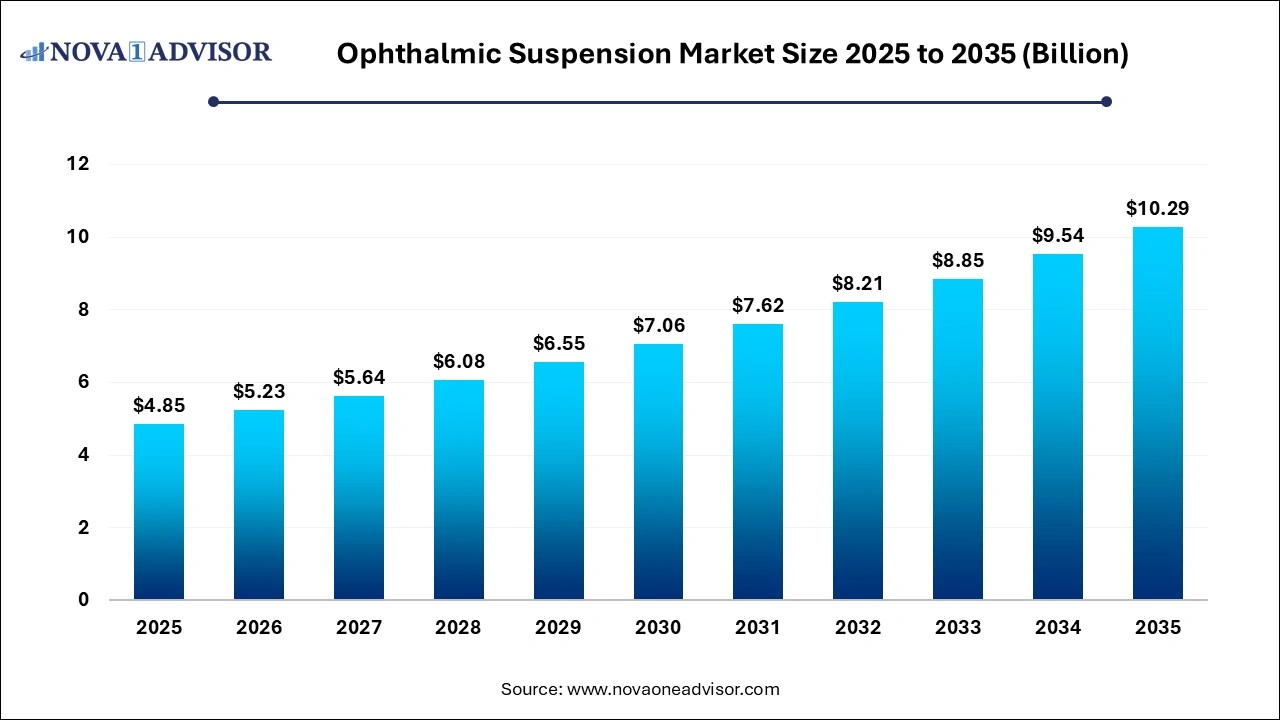
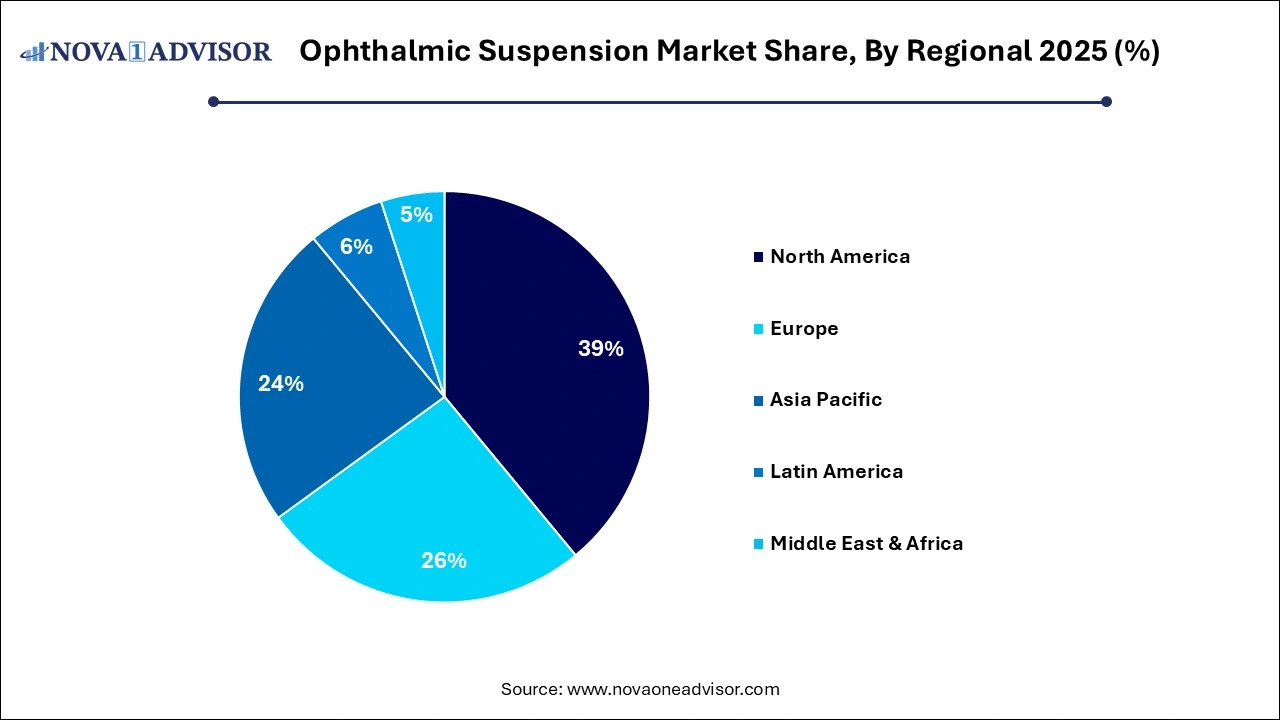
The global ophthalmic suspension market size was valued at USD 4.85 billion in 2025 and is projected to grow from USD 5.23 billion in 2026 to USD 10.29 billion by 2035, at a CAGR of 7.81% from 2026 to 2035. North America dominated the market, accounting for a revenue share of 39.0% in 2025.
Key Takeaway
- By type of content, the antibiotic segment dominated the market with the largest share in 2025.
- By type of content, the steroids segment is expected to grow at the fastest CAGR over the forecast period.
- By application, the bacterial infections segment dominated the market with the largest share in 2025.
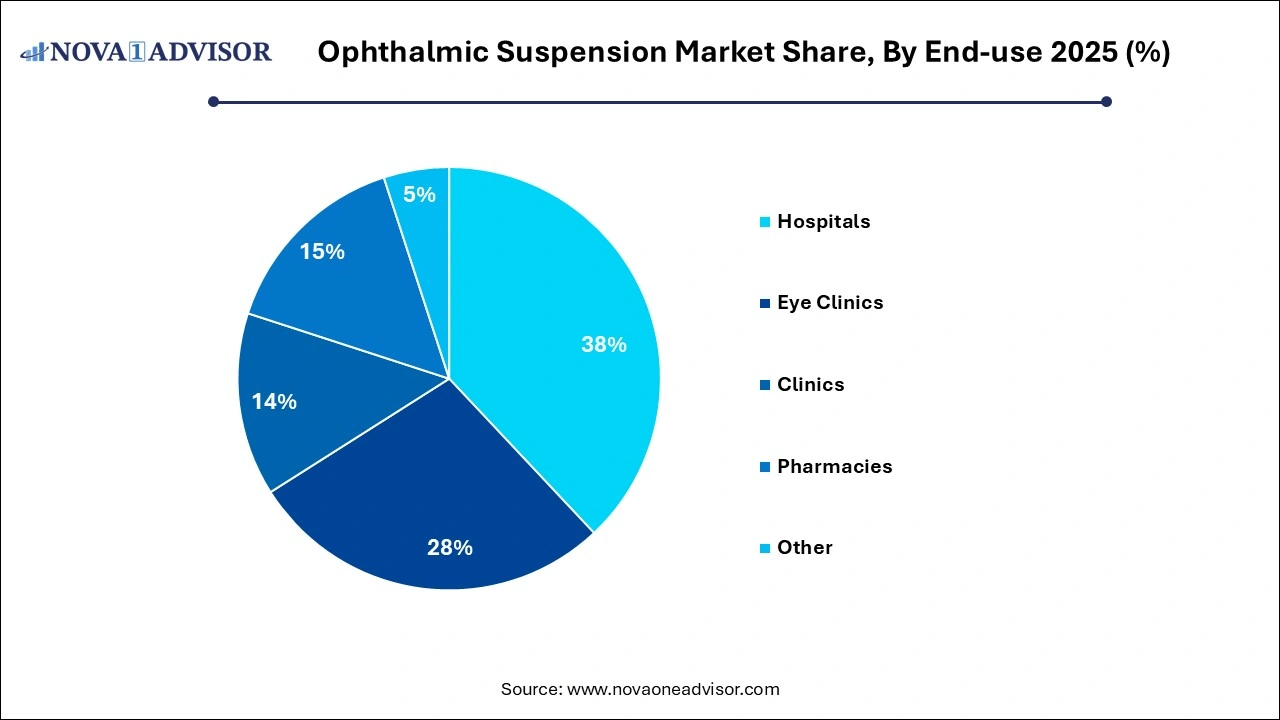
- By end user, the hospitals segment dominated the market with the largest share of 38.0% in 2025.
- By region, North America dominated the market with the largest share of 39.0% in 2025.
Market Overview
The global ophthalmic suspension market is a vital segment of the ophthalmic pharmaceutical industry, offering sterile liquid formulations that deliver poorly water-soluble drugs directly to the eye. These products are widely used to treat ocular inflammation, bacterial infections, allergic eye diseases, glaucoma-related conditions, and postoperative complications, providing enhanced drug retention and improved therapeutic effectiveness.
Market growth is driven by the rising prevalence of eye disorders, increasing cataract surgeries, and the growing burden of diabetes-related eye diseases such as diabetic retinopathy and macular edema. Demand is further supported by the increasing incidence of dry eye syndrome, conjunctivitis, keratitis, and other ocular conditions. Technological advancements, including nano-suspensions, preservative-free formulations, sustained-release drug delivery systems, and AI-enabled ophthalmic care, are improving treatment outcomes and patient compliance. Additionally, expanding access to specialized eye care services, teleophthalmology, and continuous regulatory approvals for innovative ophthalmic therapies are expected to fuel long-term market growth.
Market Outlook
- Market Growth Overview: The global ophthalmic suspension market is expected to grow significantly between 2025 and 2035, driven by the growing prevalence of ocular disorders globally.
- Sustainability Trends: Sustainability trends involve a growing emphasis on minimizing plastic waste from single-use eyedropper bottles along with reducing green manufacturing.
- Major Investors: Major investors in the market include Alcon, Bausch + Lomb, Novartis, AbbVie (Allergan), Santen Pharmaceutical, Pfizer, and Sun Pharmaceutical Industries.
How is AI Impacting The Global Ophthalmic Suspension Market?
Artificial intelligence is transforming the global ophthalmic suspension market by improving the early diagnosis of eye diseases and enabling more personalized treatment. AI-powered imaging systems analyze OCT scans, retinal images, and slit-lamp examinations to detect conditions such as glaucoma, diabetic retinopathy, keratitis, and postoperative inflammation, helping ophthalmologists prescribe the most effective ophthalmic suspension based on individual patient needs.
AI is also accelerating drug development and manufacturing by optimizing formulation design, predicting drug stability, and enhancing quality control in sterile production. In addition, AI-enabled teleophthalmology platforms support remote patient monitoring, improve treatment adherence, and allow timely adjustments to therapy. These advancements are driving pharmaceutical innovation, improving clinical outcomes, and expanding access to advanced ophthalmic care globally.
Ophthalmic Suspension Market Report Scope
| Report Coverage | Details |
| Market Size in 2026 | USD 5.23 Billion |
| Market Size by 2035 | USD 10.29 Billion |
| Growth Rate From 2026 to 2035 | CAGR of 7.81% |
| Base Year | 2025 |
| Forecast Period | 2026 to 2035 |
| Segments Covered | By Type of Content, By Application, By End User, By Region |
| Market Analysis (Terms Used) | Value (USD Million/Billion) or (Volume/Units) |
| Regional Scope | North America; Europe; Asia Pacific; Central and South America; the Middle East and Africa |
| Key Companies Profiled | Novartis AG (Alcon), ALLERGAN, Pfizer Inc., Merck & Co., Inc., Bausch & Lomb Incorporated, Falcon Group, Valeant, Bayer AG, and Genentech, Inc. |
Market Driver: Rising Ocular Disease Burden and Increasing Eye Surgeries
The growing prevalence of eye disorders and the rising number of ophthalmic surgeries are key drivers of the ophthalmic suspension market. Increasing cases of cataracts, glaucoma, diabetic retinopathy, allergic conjunctivitis, and postoperative inflammation are boosting demand for topical ophthalmic therapies. In addition, the expanding volume of cataract, glaucoma, and refractive surgeries is driving the use of steroidal and antimicrobial ophthalmic suspensions for effective postoperative care.
Market Restraint: Limited Drug Bioavailability and Patient Compliance
Limited ocular drug absorption remains a major challenge for the ophthalmic suspension market. Tear drainage, blinking, and corneal barriers reduce the amount of medication reaching target tissues, often requiring frequent dosing. Patient compliance is further affected by difficulties in eye drop administration, missed doses, and contamination risks, particularly among elderly patients, limiting overall treatment effectiveness.
Market Opportunity: Advanced Sustained-Release and Nanotechnology-Based Formulations
The development of sustained-release and nanotechnology-based ophthalmic suspensions presents a significant growth opportunity. Technologies such as nano-suspensions, liposomal carriers, biodegradable nanoparticles, and in situ gelling systems enhance drug retention, improve ocular penetration, and reduce dosing frequency. These innovations are expected to improve patient compliance, support precision ophthalmology, and create new commercial opportunities for pharmaceutical manufacturers.
Segmental Insights
By Type of Content
Why did the antibiotic segment dominate the global ophthalmic suspension market?
The antibiotic segment dominated the market, with the largest share in 2025. The dominance of the segment can be attributed to the rapid product innovations such as combination therapies and preservative-free formulations. In addition, the formulation of advanced polymeric stabilizers, coupled with the implementation of preservative-free, single-use delivery systems, significantly enhances product longevity and therapeutic adherence.
How did the steroids segment expected to hold the significantly growing global ophthalmic suspension market in the coming years?
The steroids segment is expected to grow at the fastest CAGR over the forecast period. The growth of the segment can be credited to the growing incidence of eye conditions such as postoperative inflammation, uveitis, and severe allergies. Advanced ocular drug delivery systems use polymeric stabilizers, microemulsions, and nanoparticles to mitigate physiological clearance mechanisms.
By Application
Why did the bacterial infections segment dominate the global ophthalmic suspension market?
The bacterial infections segment dominated the market with the largest share in 2025. The dominance of the segment can be linked to the growing incidence of corneal ulcers and blepharitis along with the high local bioavailability. Ophthalmic suspensions provide extended ocular retention, enhanced bioavailability, and diminished systemic adverse effects relative to oral formulations.
How did the glaucoma segment expected to hold the significantly growing global ophthalmic suspension market in the coming years?
The glaucoma segment is expected to grow at the fastest CAGR over the forecast period. The growth of the segment can be driven by the rise in the geriatric population and the surge in the prevalence of elevated intraocular pressure across the globe. Topical ophthalmic suspensions facilitate targeted ocular drug delivery, enabling elevated local therapeutic concentrations while reducing systemic adverse effects.
By End User
Why did the hospitals segment dominate the global ophthalmic suspension market?
The hospitals segment dominated the market with the largest share in 2025. The dominance of the segment is owing to the growing preference for prescription-based treatments and the surge in incidence of chronic eye diseases. Furthermore, a high volume of inpatient and outpatient procedures, including cataract and glaucoma surgeries, needs the suspension of post-operative prescriptions.
How did the eye clinics segment expected to hold the significantly growing global ophthalmic suspension market in the coming years?
The eye clinics segment is expected to grow at the fastest CAGR over the forecast period. The growth of the segment is due to growing outpatient visits for routine eye care and a surge in the incidence of ocular disorders across the globe. Ophthalmic suspensions are clinically preferred over standard liquid solutions due to their capacity to extend corneal residence time and enhance local bioavailability.
By Regional
Why did the North American region account for the largest share in the global ophthalmic suspension market?
North America dominated the market with the largest share in 2025. The dominance of the region can be attributed to the growing adoption of innovative eye care treatments and the strong presence of major market players in major countries. In addition, the integration of comprehensive private insurance frameworks and Medicare coverage facilitates the adoption of advanced, branded, and preservative-free suspension options.
U.S. Global Ophthalmic Suspension Market Trends
The growth of the market in the country can be driven by the increasing incidence of eye diseases such as dry eye and glaucoma along with the surge in aging population across the major cities. Also, the widespread increase in daily screen usage across all demographics has contributed to a higher incidence of clinically diagnosed dry eye syndrome and chronic ocular inflammation.
Why did the Asia-Pacific region become the fastest-growing global ophthalmic suspension market during the forecast period?
Asia Pacific is expected to grow at the fastest CAGR over the forecast period. The growth of the region can be credited to the growing elderly population and surge in healthcare infrastructure in emerging economies such as India and China. Furthermore, escalating disposable incomes along with expanded government-sponsored healthcare initiatives are enhancing patient accessibility to specialized therapeutics.
China Global Ophthalmic Suspension Market Trends
The market in the country is growing due to a surge in the adoption of cutting-edge sustained-release and bio-adhesive ophthalmic suspension formulations and a growing incidence of chronic eye conditions. China has solidified its position as a primary regional center for pharmaceutical manufacturing and contract development, systematically reducing domestic production spending and enhancing therapeutic affordability.
Key Players in the Global Ophthalmic Suspension Market
- Alcon: Leads with a robust global footprint in surgical and vision care products, expanding its portfolio via strategic acquisitions like Aerie Pharmaceuticals for glaucoma suspensions.
- Bausch + Lomb: Focuses heavily on broad prescription and over-the-counter lines, including extensive anti-infective and steroid eye drop suspensions.
- Sun Pharmaceutical Industries: It supplies affordable generic formulations and anti-inflammatory suspensions globally following key regulatory approvals.
Recent Developments
- In June 2026, Formosa Pharmaceuticals (6838.TW) has finalized an exclusive licensing agreement with Samil Pharmaceuticals Co., Ltd. (000520.KS). Under the terms of this accord, Samil Pharmaceuticals secures the exclusive commercialization rights in Vietnam for clobetasol propionate ophthalmic suspension, 0.05% (APP13007).
Segments Covered in the Report
This report forecasts revenue growth at country levels and provides an analysis of the latest industry trends in each of the sub-segments from 2021 to 2035. For this study, Nova one advisor, Inc. has ophthalmic suspension market.
By Type of Content
- Antibiotic
- Antifungal
- Antibacterial
- Steroids
- Non-Steroidal Anti-Inflammatory Drugs
- Others
By Application
- Bacterial Infections
- Retinal Disorders
- Glaucoma
- Allergies
- Diabetic Eye Disease
- Others
By End User
- Hospitals
- Eye Clinics
- Clinics
- Pharmacies
- Other
By Region
- North America
- Europe
- Asia Pacific
- Latin America
- Middle East & Africa
FAQ's

Proceed to Buy
Instant PDF delivery on confirmation

Ophthalmic Suspension Market Size to Exceed USD 10.29 Billion by 2035
 Request Customization
 Download Sample

Get a Sample of this Report
Ophthalmic Suspension Market