

Wellness Supplements Market (By Dietary Supplements: Vitamin, Mineral, Botanical, Probiotics, Fatty Acid, Protein, Other; By Functional Food & Beverages: Functional Bakery and Confectionary, Functional Dairy, Energy Drink, Sports Drink, Infant Formula and Baby Food, Others) - Global Industry Analysis, Size, Share, Growth, Trends, Regional Outlook, and Forecast 2026-2035
 Status Published
 Category Healthcare


Content
Wellness Supplements Market Size and Growth
The wellness supplements market size was exhibited at USD 276.49 billion in 2025 and is projected to hit around USD 549.52 billion by 2035, growing at a CAGR of 7.11% during the forecast period 2026 to 2035.
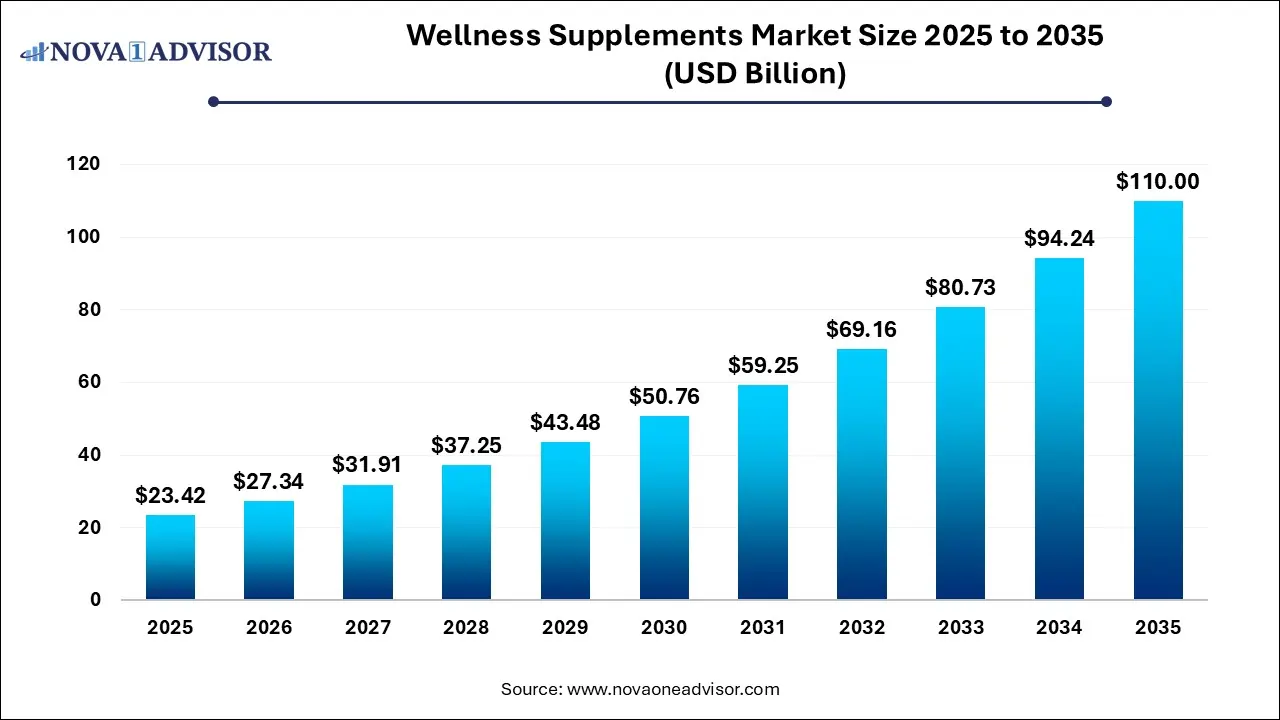
Market Overview
The Wellness Supplements Market represents a rapidly growing and transformative sector within the global health and nutrition industry. As consumer understanding of the interconnectivity between lifestyle, nutrition, and long-term wellness deepens, wellness supplements are increasingly viewed not just as health enhancers but as essential daily components of preventive care. Wellness supplements encompass a wide array of products, including dietary supplements such as vitamins, minerals, botanicals, and probiotics, along with functional food and beverage offerings like fortified dairy products, energy drinks, and functional bakery items.
Driven by aging populations, urban lifestyles, chronic disease prevalence, and a heightened emphasis on mental and physical well-being, this market is experiencing robust expansion. The COVID-19 pandemic further underscored the importance of immune resilience and self-care, triggering a paradigm shift from curative to preventive health approaches. Consumers now seek natural, scientifically-validated, and clean-label wellness solutions, pushing manufacturers to innovate at unprecedented rates.
Across both developed and developing markets, there’s a notable convergence of technology, personalization, and holistic health. Wellness supplements are no longer confined to athletes or aging individuals they now appeal to a broad demographic that includes students, working professionals, and new mothers. With product innovation accelerating and retail access expanding, the global wellness supplements market is poised to grow exponentially in the coming decade.
How AI is Impacting the Wellness Supplements Market
AI and ML are transforming the wellness supplements industry by shifting from genetic, one-size-fits-all products to hyper-personalized, data-driven nutrition solutions. These technologies enable brands to recommend precise, adaptive supplement protocols tailored to unique health needs. In research and development, AI accelerates innovation by mining vast scientific datasets to identify novel ingredient combinations and predict compound efficiency, reducing product development cycles. AI-driven predictive analytics optimize supply chains by forecasting consumer demand, which minimizes waste and ensures that high-demand products remain in stock.
Market Outlook
- Market Growth Overview: The wellness supplements market is expected to grow significantly between 2025 and 2034, driven by the consumer shift to preventive healthcare, aging population and chronic diseases, and increased focus on immunity and functional nutrition.
- Sustainability Trends: Sustainability trends involve eco-friendly and sustainable packaging, plant-based and natural ingredients, and sustainable sourcing and transparency.
- Major Investors: Major investors in the market include Nestle Health Science, Unilever, Bayer AG, Kirin Holdings, Marico, USV, and Abbott Laboratories.
Major Trends in the Market
-
Personalized Wellness through Genetic Testing and AI: Consumers are gravitating toward supplements tailored to their genetic makeup, lifestyle, and biomarkers, facilitated by AI and personalized diagnostic kits.
-
Rise of Functional Beverages as Wellness Tools: From collagen-infused waters to probiotic drinks and nootropic beverages, functional drinks are reshaping consumer expectations and preferences.
-
Clean Label and Sustainable Nutrition: Demand for supplements that are organic, non-GMO, vegan, and sustainably sourced is rising, with brands aligning their formulations and packaging with eco-conscious values.
-
Mental Wellness and Cognitive Health: Supplements targeting anxiety, stress, focus, and sleep are gaining traction, with ingredients like ashwagandha, L-theanine, and magnesium gaining mainstream popularity.
-
Expansion of Men’s and Women’s Health Categories: Tailored wellness products addressing fertility, hormonal health, menopause, testosterone support, and reproductive wellness are expanding rapidly.
-
E-commerce and Subscription Models: Online platforms have empowered consumers to access global wellness products, with many opting for auto-replenishment and curated monthly wellness boxes.
-
Adaptogens and Botanicals Boom: Herbal ingredients such as ginseng, turmeric, maca root, and holy basil are experiencing a resurgence in wellness-focused formulations for stress adaptation and immune support.
-
Fitness-Linked Supplementation: Supplements targeted at endurance, muscle recovery, and energy metabolism are integrating into daily wellness routines beyond the gym-going demographic.
Report Scope of Wellness Supplements Market
| Report Coverage | Details |
| Market Size in 2026 | USD 296.15 Billion |
| Market Size by 2035 | USD 549.52 Billion |
| Growth Rate From 2026 to 2035 | CAGR of 7.11% |
| Base Year | 2025 |
| Forecast Period | 2026-2035 |
| Segments Covered | Dietary Supplements, Functional Food & Beverages, Region |
| Market Analysis (Terms Used) | Value (US$ Million/Billion) or (Volume/Units) |
| Regional Scope | North America, Europe, Asia-Pacific, Latin America, Middle East and Africa |
| Key Companies Profiled | Nestle S.A., Abbott Laboratories, Amway, Otsuka Holdings Co., Ltd., Herbalife Ltd., Archer Daniels Midland Company, Glanbia plc, NBTY, Inc., GNC Holdings Inc, Nu Skin Enterprises, Inc. |
Market Driver: Shift Toward Preventive Healthcare and Holistic Well-Being
A major driver behind the growth of the wellness supplements market is the global shift toward preventive healthcare and holistic wellness philosophies. Consumers, particularly in post-pandemic contexts, are actively investing in health maintenance rather than waiting for symptoms or chronic conditions to arise. Wellness supplements, ranging from immunity boosters to daily multivitamins, have become integral to this shift.
Chronic illnesses such as diabetes, cardiovascular diseases, and mental health disorders are increasingly managed through a preventive lens, and supplements are playing a key role in those strategies. Not only do consumers now seek to avoid disease, but they are also focused on optimizing cognitive performance, energy levels, beauty-from-within, and sleep quality. This proactive approach has redefined wellness as a continuous journey, not an emergency response, creating a fertile market for diverse supplement products globally.
Market Restraint: Misinformation and Regulatory Gaps
Despite remarkable growth, the market faces a notable restraint: misinformation and lack of standardized global regulations. The wellness supplement industry often straddles the fine line between food and pharmaceuticals, making regulation complex and inconsistent across regions. While some countries require strict clinical validation, others allow marketing claims that may not be scientifically substantiated.
This lack of harmonization leads to misinformation, mistrust, and skepticism. Consumers may fall prey to exaggerated claims, unsafe dosages, or adulterated products. Regulatory lapses can also hinder global expansion for brands, as product compositions may need to be reformulated or relabeled for different markets. Moreover, misinformation spread through online platforms can affect consumer decisions, reduce the credibility of the industry, and invite legal repercussions for manufacturers.
Market Opportunity: Integration of Wellness Supplements in Functional Foods and Beverages
A game-changing opportunity in the wellness supplements market lies in the integration of dietary supplementation into functional foods and beverages. Consumers are increasingly seeking "convenient wellness"that is, wellness solutions seamlessly integrated into their daily dietary habits. From fortified cereals and beverages to dairy products enriched with probiotics and collagen, this segment blurs the line between food and supplementation.
The demand for lifestyle-compatible wellness solutions has led to innovations such as adaptogen-infused sparkling waters, CBD-enhanced snacks, protein-boosted cookies, and sleep-aiding drinks with melatonin. Functional confectionery, like magnesium-laced chocolates or vitamin-infused gummies, are also gaining favor among both children and adults. These hybrid offerings provide companies a massive opportunity to capture new consumer segments while expanding existing portfolios, especially as eating habits evolve globally.
Wellness Supplements Market By Dietary Supplements Insights
Vitamin supplements dominate the dietary supplements segment, widely consumed for immunity, bone health, metabolic support, and vision maintenance. Multivitamins and standalone vitamin formulations (such as Vitamin D, C, B12, and E) are staples in adult and geriatric populations. Their affordability, scientific credibility, and mainstream availability make them top choices in both OTC and prescribed formats. The pandemic underscored the role of Vitamin D and C in respiratory immunity, driving sustained interest beyond crisis periods.
Probiotics are the fastest-growing category, experiencing rapid acceptance among consumers looking to balance gut flora, improve digestion, and boost mental health. Scientific correlations between the gut-brain axis and mood regulation have fueled the popularity of probiotics. Countries like Japan, India, and the U.S. have seen a surge in probiotic dairy products and capsules. This segment is also innovating with shelf-stable, vegan, and multi-strain formulations, enabling broader market penetration.
Wellness Supplements Market By Functional Food & Beverages Insights
Functional dairy products lead the functional food and beverages segment, attributed to their entrenched presence in daily diets and compatibility with fortification. Products like probiotic yogurts, calcium-enriched milk, and vitamin D-laced cheese are popular across both children and seniors. The credibility of dairy as a nutrition-rich base further enhances its utility as a supplement vehicle. Brands like Danone, Nestlé, and Yakult have capitalized on this trust to expand their offerings.
Energy drinks are the fastest-growing functional beverage segment, especially among young adults and athletes. Formulations enriched with B-vitamins, electrolytes, caffeine alternatives (like guarana and ginseng), and adaptogens are gaining ground. These drinks are not only marketed for stamina and alertness but also for mental clarity and mood elevation. In urban markets, these beverages are positioned as healthier alternatives to sodas, with clean-label versions targeting wellness-savvy consumers.
Wellness Supplements Market By Geography Insights
North America stands as the dominant region in the global wellness supplements market, driven by high health literacy, a well-established healthcare infrastructure, and a mature consumer base. The United States leads in both consumption and innovation, with over 70% of adults regularly consuming dietary supplements. The prevalence of chronic diseases, along with the rise in fitness culture and digital health monitoring tools, has made wellness supplements a core part of everyday routines.
Moreover, North America is a hub for leading wellness brands like Nature Made, GNC, Garden of Life, and Ritual. The region is also witnessing significant investment in e-commerce platforms offering AI-driven, personalized supplement services. Regulatory frameworks from agencies like the FDA, while occasionally criticized, still provide structure that lends consumer confidence. The U.S. is also at the forefront of clinical research on the health benefits of supplements, influencing global perceptions and trends.
Asia-Pacific is the fastest-growing region, fueled by urbanization, rising disposable incomes, and increasing lifestyle-related health issues. Countries like China and India are undergoing a nutrition transition, wherein traditional diets are being replaced or supplemented by fortified products and supplements. South Korea and Japan, already mature markets in functional foods, are leading innovation in botanical and probiotic formulations.
Additionally, the cultural legacy of herbal medicine and Ayurveda is finding validation through clinical research and modern formulation techniques. Local startups are blending tradition and science to create unique, culturally resonant products. Moreover, government-led health initiatives, particularly in India (such as the “Poshan Abhiyaan” nutrition mission), are raising public awareness and opening doors for public-private partnerships in the wellness sector.
Supply Chain Analysis of the Wellness Supplements Market
- R&D and Product Formulation
This stage involves developing innovative, science-backed formulas to meet specific health needs like immunity, cognitive health, or sports performance.
Key Players: Glanbia and BASF
- Raw Material Sourcing
Involves sourcing active ingredients, botanicals, vitamins, and minerals from verified, high-quality suppliers to ensure purity and efficiency.
Key Players: DSM, Archer Daniels Midland.
- Distribution and Sales
This involves moving products through various channels, including retail stores, specialized health shops, and e-commerce platforms.
Key Players: CVS Health and Amazon
Key Players in the Wellness Supplements Market
- Nestle S.A.
Nestle S.A. contributes to the wellness supplements market primarily through Nestle Health Science, offering a diverse portfolio of science-based nutritional solutions aimed at active lifestyles, metabolic health, and medical nutrition.
- Abbott Laboratories
Abbott Laboratories contributes by providing evidence-based nutritional products, with its flagship brands Ensure and Glucerna supporting healthy aging, metabolic management, and balanced nutrition for adults.
- Amway
Amway, through its flagship Nutrilite brand, contributes to the wellness market as a global leader in plant-based vitamins and dietary supplements, emphasizing Best of Nature, Best of Science. The company leverages a direct-selling model to offer personalized nutrition and engages in significant R&D to innovate in traditional herbal and specialized, target-specific supplementation.
- Otsuka Holdings Co., Ltd.
Otsuka Holdings contributes by blending pharmaceutical expertise with nutraceutical products, focusing on daily health maintenance and specialized wellness solutions through brands like Pharmavite (Nature Made).
- Herbalife Ltd.
Herbalife Ltd. focuses on weight management, sports nutrition, and overall wellness supplements, delivering personalized nutrition products through a direct-selling network.
Key Market Developments
-
February 2025: Nestlé Health Science announced the global launch of “Vitality+,” a new line of adaptogen-based functional drinks aimed at improving cognitive resilience and energy levels.
-
November 2024: GNC introduced a personalized supplement service in partnership with InsideTracker, offering DNA-based supplement kits for weight management and mental health.
-
September 2024: Herbalife expanded its product portfolio in Southeast Asia with a series of plant-based protein powders and botanical teas under the "Wellness Root" label.
-
June 2024: Danone acquired a majority stake in a probiotic beverage startup in India to expand its footprint in the rapidly growing APAC wellness beverage market.
-
April 2024: Garden of Life launched an entirely plastic-free packaging line for its "Mykind Organics" supplement range, reinforcing its sustainability commitments.
Segments Covered in the Report
This report forecasts revenue growth at country levels and provides an analysis of the latest industry trends in each of the sub-segments from 2021 to 2035. For this study, Nova one advisor, Inc. has segmented the wellness supplements market
By Dietary Supplements
- Vitamin
- Mineral
- Botanical
- Probiotics
- Fatty Acid
- Protein
- Others
By Functional Food & Beverages
- Functional Bakery and Confectionary
- Functional Dairy
- Energy Drink
- Sports Drink
- Infant Formula and Baby Food
- Others
Regional
- North America
- Europe
- Asia-Pacific
- Latin America
- Middle East and Africa
FAQ's

Proceed to Buy
Instant PDF delivery on confirmation

Wellness Supplements Market Size to Hit USD 549.52 Billion by 2035
 Request Customization
 Download Sample

Get a Sample of this Report
Wellness Supplements Market